Welcome to a journey into the fascinating world of interpreting and cross-cultural communication! Have you ever wondered how interpreters seamlessly bridge language gaps and cultural differences? In this article, we’ll explore the importance of cultural sensitivity in interpreting and how interpreters navigate the complex terrain of cross-cultural communication. Understanding Cultural Sensitivity Cultural sensitivity is like […]
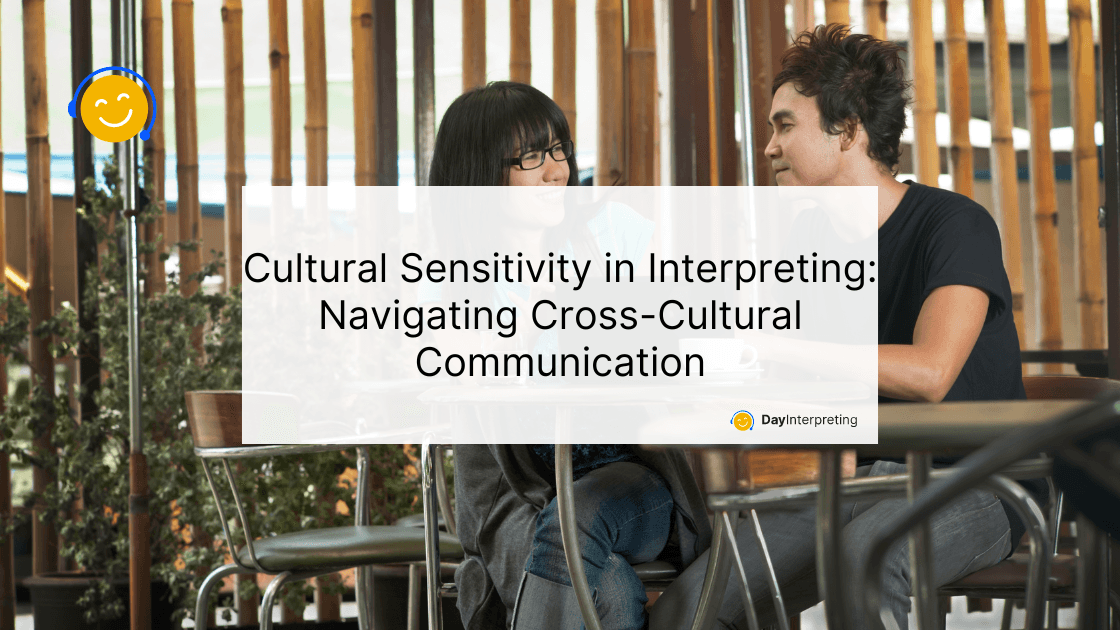
Welcome to a journey into the fascinating world of interpreting and cross-cultural communication! Have you ever wondered how interpreters seamlessly bridge language gaps and cultural differences? In this article, we’ll explore the importance of cultural sensitivity in interpreting and how interpreters navigate the complex terrain of cross-cultural communication.
Cultural sensitivity is like wearing a pair of special glasses that help us see and understand different cultures better. It’s about being aware of and respecting the customs, beliefs, and values of other cultures. In interpreting, cultural sensitivity plays a crucial role in ensuring accurate and meaningful communication between people who speak different languages.
Imagine a scenario where a doctor needs to communicate with a patient who speaks a different language. That’s where interpreters step in as language bridges. But it’s not just about translating words; it’s about conveying meanings, emotions, and cultural nuances accurately. Interpreters are like cultural ambassadors, facilitating understanding and empathy between individuals from diverse backgrounds.
Navigating cross-cultural communication can be like solving a puzzle with many pieces. Different cultures have unique communication styles, gestures, and social norms. What may be acceptable in one culture could be misunderstood in another. Interpreters must be aware of these differences and adapt their approach accordingly to ensure effective communication.
When interpreters prioritize cultural sensitivity, it fosters trust, respect, and inclusivity in communication. It reduces misunderstandings, promotes empathy, and strengthens relationships across cultures. Cultural sensitivity is not just a skill; it’s a mindset that promotes harmony and mutual understanding in a diverse world.
In the colorful tapestry of cross-cultural communication, cultural sensitivity shines as a guiding light. Interpreters who embody this sensitivity play a crucial role in building bridges of understanding and harmony across linguistic and cultural boundaries. So, let’s celebrate the richness of diversity and embrace cultural sensitivity as a cornerstone of effective communication.

Seldean is a multi-skilled content wizard that dedicates herself to writing content that goes beyond merely sparking interest in the audience.

Written by
Seldean SmithSeldean is a multi-skilled content wizard that dedicates herself to writing content that goes beyond merely sparking interest in the audience.
Get the latest articles on interpreting and language access delivered straight to your inbox.


