In the colorful world of pop culture, language isn’t just about words; it’s about the unique flavors and rhythms that different dialects bring to the table. Media plays a fascinating role in showcasing regional speech patterns from movies to music and beyond. Let’s dive into how dialects are portrayed and celebrated in popular media through […]
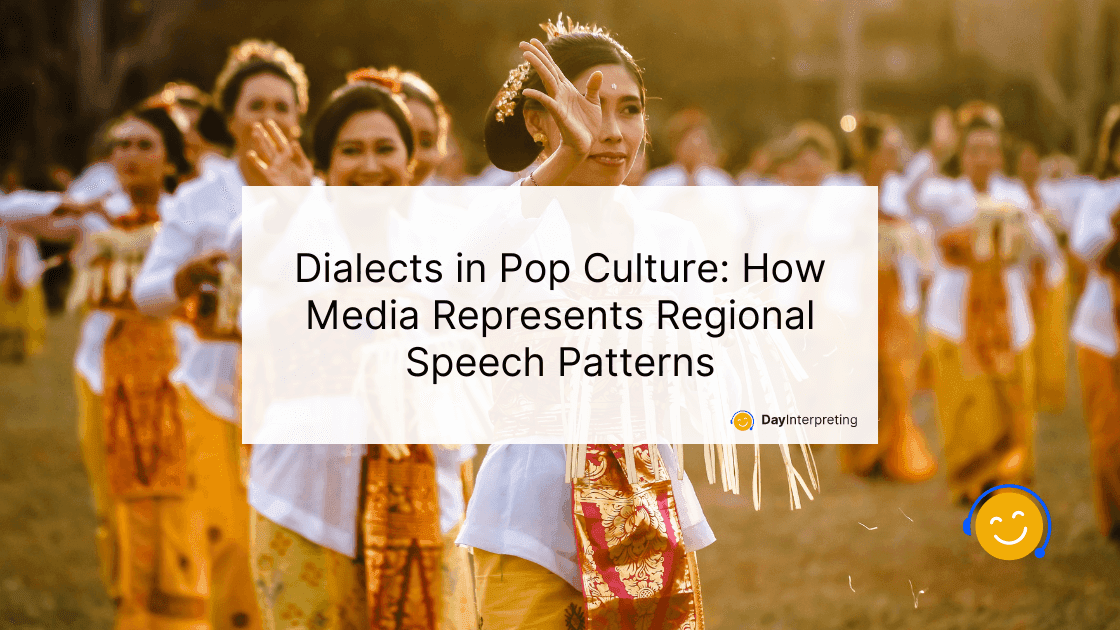
In the colorful world of pop culture, language isn’t just about words; it’s about the unique flavors and rhythms that different dialects bring to the table. Media plays a fascinating role in showcasing regional speech patterns from movies to music and beyond. Let’s dive into how dialects are portrayed and celebrated in popular media through dialects in pop culture!
One of the most exciting aspects of pop culture is its celebration of diversity. Dialects are like linguistic fingerprints, reflecting the rich tapestry of cultures and communities worldwide. Take, for example, the iconic New York accent immortalized in countless films and TV shows. It’s more than just a way of speaking; it’s a symbol of the city’s vibrant history and melting-pot identity.
When it comes to dialect representation, Hollywood is a veritable treasure trove of linguistic ingenuity. Recall movies like ‘My Fair Lady,’ where the evolution of Eliza Doolittle’s Cockney accent into refined speech becomes a pivotal plot element. This demonstrates how dialects can be harnessed not just for entertainment but also to delve into themes of identity and social class.
Music, as a potent medium, reveres dialects. Hip-hop, for instance, has amplified a plethora of regional accents, from the Southern drawl of artists like OutKast to the gritty urban slang of New York’s Wu-Tang Clan. These dialects aren’t mere background noise; they’re the lifeblood of the music, integral to its authenticity and storytelling prowess.
Social media has become a platform where dialects shine in today’s digital age. Memes, viral videos, and TikTok trends often feature linguistic quirks specific to certain regions. From the playful banter of Scottish Twitter to the rapid-fire slang of African American Vernacular English (AAVE), these online communities celebrate dialects in all their linguistic glory.
Dialects in pop culture are not just fascinating; they also come with a slew of interesting tidbits that add to their allure. Here are some fun facts about how media represents regional speech patterns:
The Boston Brahmin accent, known for its distinctive pronunciation of words like “car” as “cah,” gained popularity through characters like Ted from “How I Met Your Mother” and Sean from “Good Will Hunting.” This accent reflects the upper-class elite of Boston, adding a touch of sophistication to the characters on screen.
The Southern drawl is not just about slow speech; it has a musical quality that lends itself well to storytelling in music and film. Artists like Dolly Parton and actors like Matthew McConaughey showcase the charm and warmth of Southern dialects, making them beloved accents in entertainment.
With its playful word substitutions, Cockney rhyming slang has entertained audiences worldwide. Characters like Mary Poppins and the Artful Dodger from “Oliver Twist” bring this vibrant London dialect to life, making viewers chuckle and marvel at its creativity.
The Texan twang, characterized by elongated vowels and dropped consonants, has been a staple in Western films and country music. Stars like George Strait and characters like Woody from “Toy Story” embody the rugged charm of Texan speech, adding authenticity to their portrayals.
The Transatlantic accent, a blend of British and American speech patterns, was once a hallmark of sophistication in Hollywood films. Actors like Cary Grant and Katherine Hepburn popularized this accent, creating an aura of elegance and refinement on screen.
Australian dialects, especially those from the Outback, are celebrated for their unique slang and colorful expressions. Characters like Crocodile Dundee and Mick Taylor from “Wolf Creek” showcase the ruggedness and humor of Australian speech, making it a memorable part of film and television.
New Orleans Creole, blending French, African, and Southern influences, adds a distinctive flair to characters like Tiana from “The Princess and the Frog.” This dialect reflects the city’s multicultural heritage and infuses stories with a sense of magic and mystique.
While dialects add flavor to pop culture, they can also be a source of controversy. When the media portrays dialects in a superficial or caricatured manner, accusations of stereotypes or misrepresentation sometimes arise. Balancing authenticity with respect is crucial in ensuring that dialects are celebrated without falling into harmful stereotypes.
Looking ahead, the future of dialects in pop culture is bright. Media creators increasingly embrace authentic representation as awareness grows about linguistic diversity and cultural sensitivity. Platforms like Netflix, with shows like “The Queen’s Gambit” featuring diverse dialects, demonstrate a positive shift towards inclusive storytelling.
In conclusion, dialects in pop culture are like vibrant threads in the fabric of entertainment. They add depth, authenticity, and a sense of belonging to narratives both on-screen and off. By embracing and celebrating regional speech patterns, media continues to be a powerful mirror reflecting the rich tapestry of human language and culture.

Seldean is a multi-skilled content wizard that dedicates herself to writing content that goes beyond merely sparking interest in the audience.

Written by
Seldean SmithSeldean is a multi-skilled content wizard that dedicates herself to writing content that goes beyond merely sparking interest in the audience.
Get the latest articles on interpreting and language access delivered straight to your inbox.


