Communication is the backbone of any successful workplace. Effective communication in the workplace is key whether you’re working on a team project, leading a meeting, or simply chatting with colleagues. This guide will help you understand the importance of good communication and provide tips to improve your skills. Why Communication Matters Good communication ensures that […]
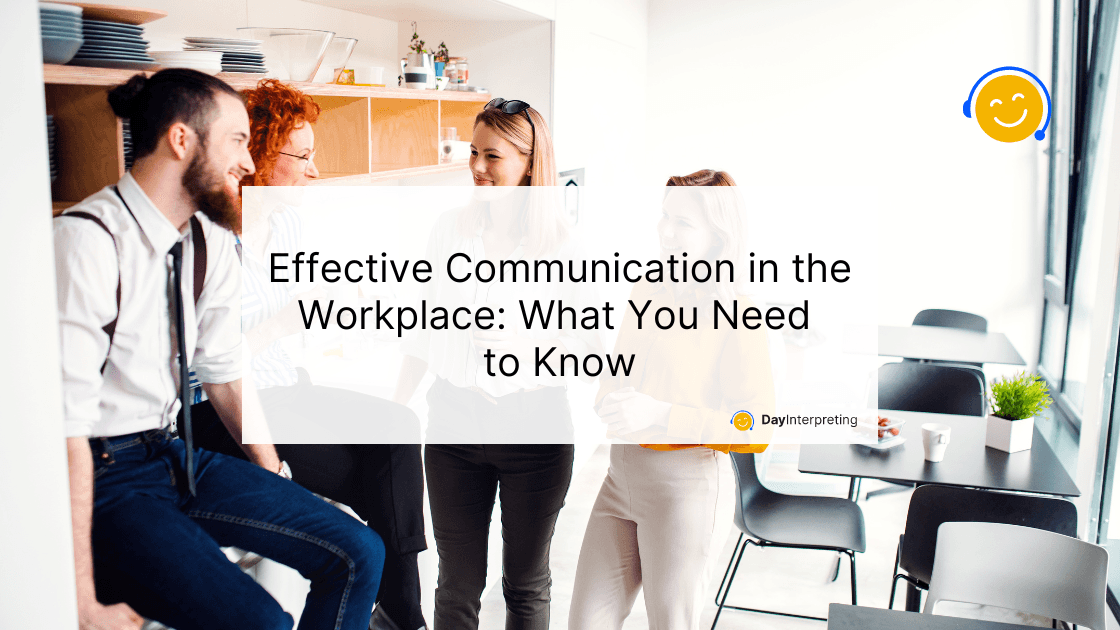
Communication is the backbone of any successful workplace. Effective communication in the workplace is key whether you’re working on a team project, leading a meeting, or simply chatting with colleagues. This guide will help you understand the importance of good communication and provide tips to improve your skills.
Good communication ensures that everyone is on the same page. It helps prevent misunderstandings, builds stronger relationships, and boosts productivity. When everyone knows what’s expected, tasks get done more efficiently. Plus, it creates a more positive work environment where people feel valued and heard.
Furthermore, with remote work and global hiring becoming more prevalent — it’s now easier than ever for companies to hire in countries like India through services such as Remote, for example — effective communication takes on an even more crucial role, as conversing with someone who may not speak your native language requires clarity and empathy.
Improving your communication skills doesn’t have to be complicated. Here are some key skills to focus on:
Active listening means truly paying attention to the speaker. It involves nodding, making eye contact, and responding appropriately. This shows the speaker that you value their input and are engaged in the conversation.
Keep your messages clear and to the point. Avoid jargon and complicated language. Whether you’re writing an email or speaking in a meeting, simplicity is key. This ensures that your message is easily understood by everyone.
Your body language, facial expressions, and tone of voice all play a role in how your message is received. Make sure your non-verbal cues match your words. For example, smiling when giving positive feedback can enhance your message.
Understanding and sharing the feelings of others helps build strong relationships. Show empathy by acknowledging others’ perspectives and emotions. This creates a supportive and respectful work environment.
Improving your communication skills takes practice. Here are some practical tips to help you get started:
Sometimes, communication can be challenging. Here are some common barriers and how to overcome them:
If you work with people who speak different languages, try to use simple language and avoid idioms. Using translation tools can also help bridge the gap.
Be aware of cultural differences that might affect communication. Respecting different customs and communication styles is crucial for effective interaction.
Emotions can sometimes interfere with clear communication. If you’re feeling upset or stressed, take a moment to calm down before communicating. This will ensure that your message is clear and respectful.
Effective communication is essential for a successful workplace. By practicing active listening, being clear and concise, paying attention to non-verbal cues, and showing empathy, you can improve your communication skills and create a more positive work environment. Remember, good communication is a continuous process. Keep practicing, and you’ll see the benefits in no time!

Seldean is a multi-skilled content wizard that dedicates herself to writing content that goes beyond merely sparking interest in the audience.

Written by
Seldean SmithSeldean is a multi-skilled content wizard that dedicates herself to writing content that goes beyond merely sparking interest in the audience.
Get the latest articles on interpreting and language access delivered straight to your inbox.


