In the fascinating world of diplomacy, where global leaders converge to discuss crucial matters that shape our world, interpreters play a vital role in facilitating communication across languages. International conferences are not just gatherings of diplomats; they are stages where ideas are exchanged, agreements are made, and relationships are forged. Let’s delve into the intriguing […]
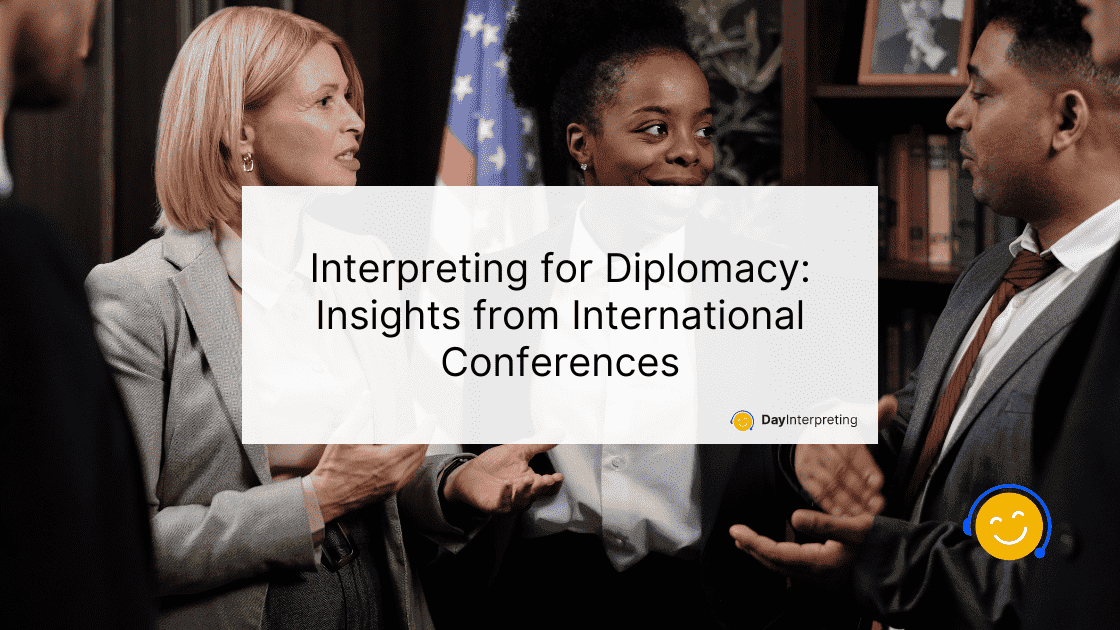
In the fascinating world of diplomacy, where global leaders converge to discuss crucial matters that shape our world, interpreters play a vital role in facilitating communication across languages. International conferences are not just gatherings of diplomats; they are stages where ideas are exchanged, agreements are made, and relationships are forged. Let’s delve into the intriguing realm of interpreting for diplomacy and uncover the insights gleaned from these high-stakes events.
Interpreting for diplomacy is more than just language translation; it’s an art that requires precision, cultural understanding, and quick thinking. Imagine a scenario where world leaders from different countries gather to discuss climate change. Each leader speaks their native language but needs to understand each other’s perspectives clearly. This is where interpreters step in, bridging the linguistic gaps and ensuring smooth communication.
Interpreting for diplomacy comes with its set of challenges. Interpreters must be well-versed in diverse subjects, from technical jargon in various fields like economics, law, and science to navigating sensitive political discussions. They must also maintain neutrality and confidentiality, as the information discussed in these conferences is often sensitive and confidential.
There are different types of interpreting used in diplomatic conferences:
Each method has its advantages and is chosen based on the conference’s needs and dynamics.
The role of interpreters in diplomatic conferences is not just about language. It’s about fostering understanding, building trust, and paving the way for meaningful dialogues that can lead to positive global outcomes. Their work behind the scenes is instrumental in shaping international relations and addressing global challenges collectively.
Interpreting for diplomacy is a fascinating and challenging field requiring unique skills, including language proficiency, cultural awareness, and diplomatic acumen. As we navigate the complexities of our interconnected world, interpreters play a crucial role in ensuring that communication transcends linguistic barriers. They’re paving the way for a more harmonious and cooperative global community.

Seldean is a multi-skilled content wizard that dedicates herself to writing content that goes beyond merely sparking interest in the audience.

Written by
Seldean SmithSeldean is a multi-skilled content wizard that dedicates herself to writing content that goes beyond merely sparking interest in the audience.
Get the latest articles on interpreting and language access delivered straight to your inbox.


