In the fast-paced world of emergency response, effective communication can be a matter of life and death. Interpreting in crisis situations is an invaluable service. Imagine a scenario where a medical team rushes to aid earthquake survivors in a foreign country. They encounter a language barrier that hinders their ability to understand the victims’ needs […]
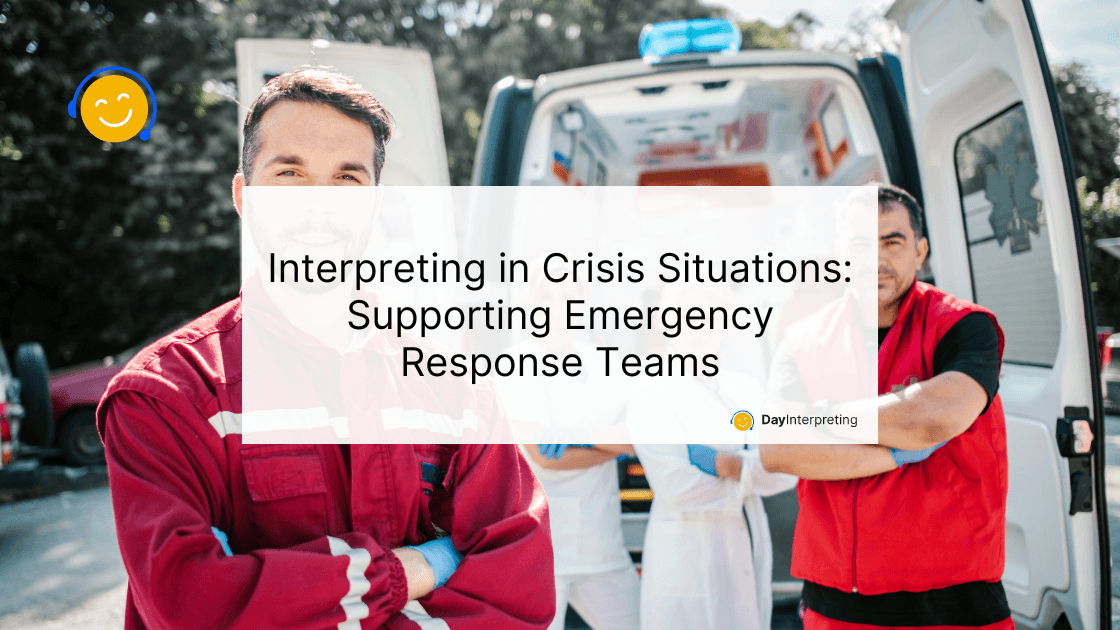
In the fast-paced world of emergency response, effective communication can be a matter of life and death. Interpreting in crisis situations is an invaluable service. Imagine a scenario where a medical team rushes to aid earthquake survivors in a foreign country. They encounter a language barrier that hinders their ability to understand the victims’ needs and provide critical care promptly. This is where skilled interpreters step in as invaluable assets, bridging linguistic gaps and ensuring seamless communication between responders and those in need.
Interpreters play a crucial role in crisis situations by facilitating communication between emergency response teams and individuals affected by disasters or emergencies. Their ability to convey information accurately in real-time enables responders to assess situations, provide medical care, and coordinate relief efforts effectively. In times of crisis, every second counts, making the role of interpreters indispensable.
While interpreters are essential, they face unique challenges in crisis settings. These challenges include:
To excel in crisis response settings, interpreters must possess a unique set of skills and qualities:
To ensure effective communication and support during crises, interpreters and response teams should adhere to best practices:
Quality interpretation in crisis situations can significantly affect outcomes. Clear and accurate communication enables responders to assess needs accurately, deliver timely assistance, and ensure the safety and well-being of affected individuals. By supporting effective communication, interpreters play a vital role in mitigating the impact of crises and saving lives.
The role of interpreters in emergency response cannot be overstated. Their ability to bridge linguistic barriers and facilitate communication is a cornerstone of effective crisis management. As we continue to navigate complex challenges globally, skilled interpreters are important in supporting emergency response teams, ensuring that help reaches those in need swiftly and effectively.

Seldean is a multi-skilled content wizard that dedicates herself to writing content that goes beyond merely sparking interest in the audience.

Written by
Seldean SmithSeldean is a multi-skilled content wizard that dedicates herself to writing content that goes beyond merely sparking interest in the audience.
Get the latest articles on interpreting and language access delivered straight to your inbox.


