In today’s globalized business landscape, communication is paramount. Businesses often collaborate with partners, clients, and team members from various parts of the world, which makes multilingual business meetings a common occurrence. Hosting a multilingual business meeting can be a complex endeavor, but with careful planning and execution, it can yield significant benefits. This article explores […]
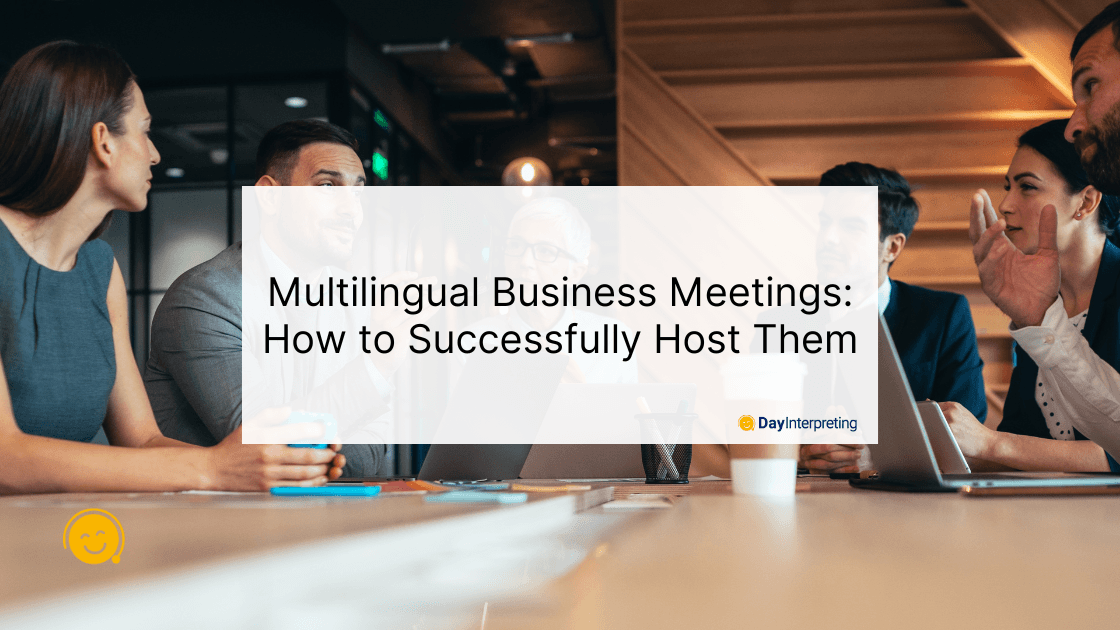
In today’s globalized business landscape, communication is paramount. Businesses often collaborate with partners, clients, and team members from various parts of the world, which makes multilingual business meetings a common occurrence. Hosting a multilingual business meeting can be a complex endeavor, but with careful planning and execution, it can yield significant benefits. This article explores strategies and best practices for successfully hosting multilingual business meetings.
Multilingual business meetings are not just about accommodating diverse languages; they are about fostering effective communication, building trust, and expanding opportunities. Here’s why they matter:
Hosting multilingual meetings demonstrates a commitment to inclusivity and diversity, which can positively impact your company’s reputation and relationships with international partners.
Clear communication is essential for making informed decisions and collaborating effectively. Overcoming language barriers ensures that everyone is on the same page.
Multilingual meetings enable you to tap into a broader market, forge international partnerships, and expand your business on a global scale.
Before the meeting:
Determine which languages will be spoken during the meeting. This allows you to plan for interpretation services or multilingual materials.
Hire professional interpreters who are fluent in the required languages. Ensure they have a deep understanding of your industry to accurately convey complex information.
Provide meeting materials in advance in multiple languages. This allows participants to prepare and engage more effectively.
Have a well-defined agenda with time allocated for each topic. Share it with participants beforehand to keep the meeting focused and ensure that the simultaneous translation will be seamless.
If participants of virtual meetings require interpretation in their native language, make sure it’s seamless. Use dedicated headsets and microphones to minimize disruptions during simultaneous interpretation.
Utilize visual aids, such as slides or charts, to complement verbal communication to the meeting participants. Visuals transcend language barriers and enhance understanding.
Foster a collaborative atmosphere where all participants feel encouraged to contribute. Use inclusive language and engage directly with individuals from different language backgrounds.
Provide meeting minutes in all relevant languages. This ensures that participants can reference key points and action items.
Solicit feedback from participants to continuously improve the multilingual meeting experience.
Act on any action items and follow up with participants as necessary. Building relationships post-meeting is just as important as the meeting itself.
Hosting successful multilingual event is a testament to your organization’s global mindset and commitment to effective communication. By understanding the importance, preparing meticulously, and fostering an inclusive environment during and after the meeting, you can navigate the complexities of multilingualism with confidence. Ultimately, these efforts will lead to stronger partnerships, enhanced collaboration, and a competitive edge in the global marketplace.
Remember, successful meetings that accomodate a multilingual audience aren’t just about language; they’re about bridging cultures, connecting minds, and seizing international opportunities. Embrace them as a means to further your company’s growth and global reach.

Seldean is a multi-skilled content wizard that dedicates herself to writing content that goes beyond merely sparking interest in the audience.

Written by
Seldean SmithSeldean is a multi-skilled content wizard that dedicates herself to writing content that goes beyond merely sparking interest in the audience.
Get the latest articles on interpreting and language access delivered straight to your inbox.


