Sign language is a fascinating form of communication that uses hand gestures, facial expressions, and body movements to convey meaning. It’s not just one universal language; in fact, there are many different forms of sign language around the world. Let’s dive into the colorful world of sign language and explore its diversity! The Origins of […]
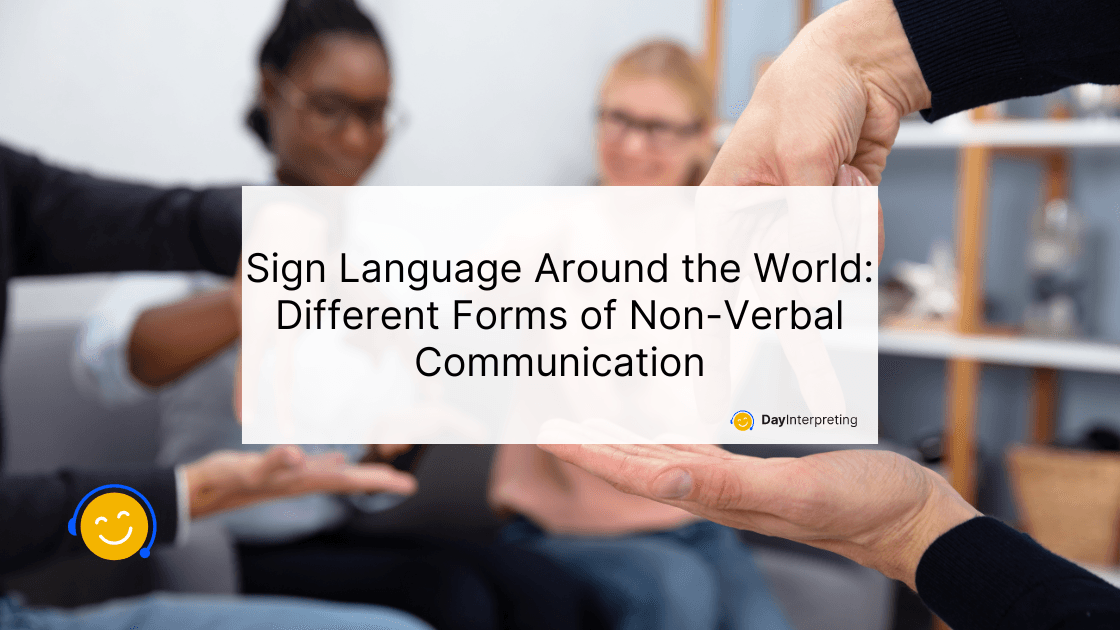
Sign language is a fascinating form of communication that uses hand gestures, facial expressions, and body movements to convey meaning. It’s not just one universal language; in fact, there are many different forms of sign language around the world. Let’s dive into the colorful world of sign language and explore its diversity!
Sign language has a rich history that dates back centuries. It’s believed that sign languages emerged naturally within deaf communities as a way for people to communicate visually. Over time, these languages evolved and spread to different regions, giving rise to unique variations.
One of the most well-known sign languages is American Sign Language (ASL). It originated in the United States and Canada and has its own grammar and syntax. ASL is used by deaf and hard-of-hearing individuals to communicate effectively.
Across the pond, British Sign Language (BSL) is widely used in the United Kingdom. It has its own distinct vocabulary and structure, separate from ASL. BSL users can express themselves fluently through a combination of handshapes, movements, and facial expressions.
In Australia, Auslan (Australian Sign Language) is the primary mode of communication for the deaf community. Similar to BSL, Auslan has unique features that reflect the cultural and linguistic diversity of Australia.
Traveling to East Asia, we encounter Japanese Sign Language (JSL). JSL incorporates elements of Japanese culture and language, making it a vibrant and dynamic form of communication for deaf individuals in Japan.
For global events and gatherings, International Sign Language (ISL) plays a crucial role in facilitating communication between people from different linguistic backgrounds. ISL combines elements of various sign languages to create a universally understood mode of communication.
Across the diverse continent of Africa, numerous sign languages exist, reflecting the cultural and linguistic diversity of each region. For example, South African Sign Language (SASL) is used in South Africa, while Ethiopian Sign Language (EthSL) is prevalent in Ethiopia.
Despite the beauty and richness of sign languages, deaf communities face challenges in accessing education, employment, and healthcare. However, advancements in technology, such as video relay services and captioning, are making communication more accessible than ever.
As we celebrate the different forms of sign language around the world, it’s essential to embrace diversity and promote inclusivity. Learning about sign languages not only expands our cultural knowledge but also fosters empathy and understanding for the deaf and hard-of-hearing communities.
Sign language is a vibrant and expressive means of communication that transcends linguistic barriers. From ASL in America to JSL in Japan, each sign language tells a unique story and reflects the rich diversity of human expression. By recognizing and valuing sign languages, we can build a more inclusive and interconnected world where everyone’s voice is heard, regardless of how they communicate.

Seldean is a multi-skilled content wizard that dedicates herself to writing content that goes beyond merely sparking interest in the audience.

Written by
Seldean SmithSeldean is a multi-skilled content wizard that dedicates herself to writing content that goes beyond merely sparking interest in the audience.
Get the latest articles on interpreting and language access delivered straight to your inbox.


