A few years ago, the idea of offering healthcare through the use of video conferencing and reaching limited English proficient (LEP) patients through Virtual Remote Interpreting sounded somewhat farfetched. But telemedicine is no longer a futuristic concept. It’s here. And it’s an area that has the potential to revolutionize healthcare. Over the years, technological advancements […]
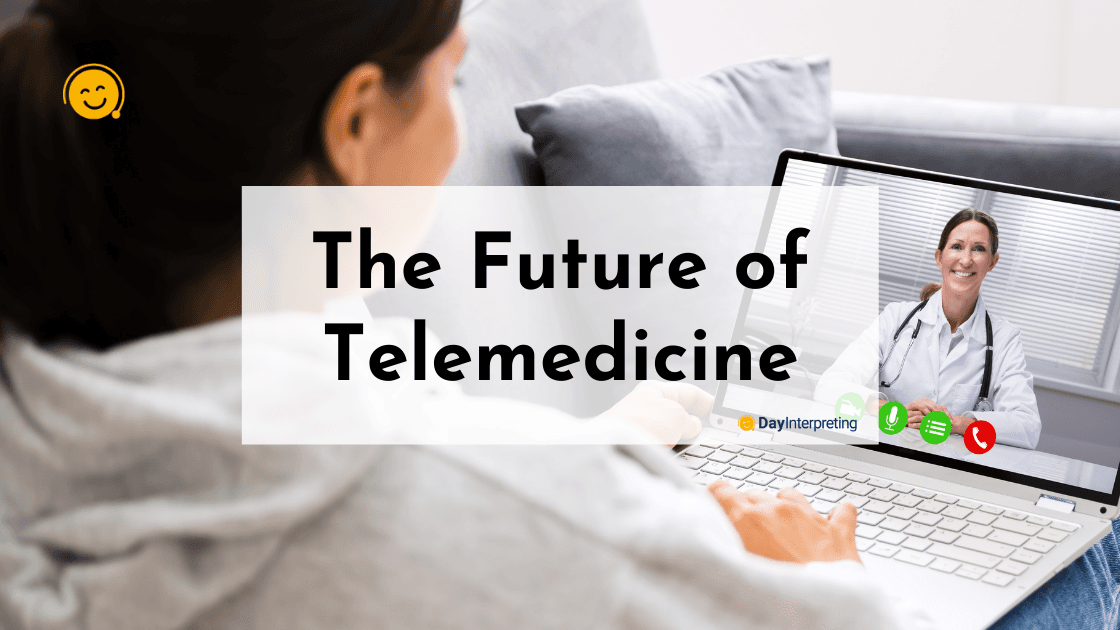
A few years ago, the idea of offering healthcare through the use of video conferencing and reaching limited English proficient (LEP) patients through Virtual Remote Interpreting sounded somewhat farfetched. But telemedicine is no longer a futuristic concept. It’s here. And it’s an area that has the potential to revolutionize healthcare.
Over the years, technological advancements have helped make telemedicine easier than ever to use. It’s more affordable and more accessible to patients and healthcare providers alike. And with the advent of AI and Big Data, the future of telemedicine and remote healthcare is brighter than ever.
As regulations keep changing, here’s a look at some interesting talking points about the future of telemedicine!
As patients become more accustomed to the idea of telemedicine, there’s no going back to ‘the way things used to be.’ Telemedicine has advanced so much over the past decade. And the pandemic skyrocketed its adoption.
It’s also likely that patients won’t accept long waiting times when it’s avoidable with the use of telemedicine. Some might even feel like telemedicine offers a better experience than in-person visits to the doctor. And this is slowly redefining patient expectations of quality healthcare.
As more patients choose telemedicine, healthcare providers that don’t offer telemedicine access will see decreased patient visits. Why? Well, because these patients prefer to use the services of care providers that provide telemedicine.
The CDC estimated that chronic diseases that are avoidable through preventative care services account for 75% of all healthcare spending. And since telemedicine offers more convenient access to follow-up care, specialists, and treatment options, it’s the best vehicle for preventative care.
The goal of future healthcare is preventative. And it’s through the use of technology and telemedicine service that healthcare providers can offer this in a cost-effective and time-effective manner.
In the future, we’ll see the rise of specialty centers where hospitals can call in and have access to a network of expert physicians in specialty areas around the clock. By having immediate access to specialist physicians, hospitals will be able to offer patients better access to focused care. This, in turn, improves patient experience and reduces the costs of hiring specialists on a full-time basis.
Instead of referring patients to specialists, doctors can simply connect their patients to the specialists they need in a matter of minutes.
Telemedicine’s hospital-at-home model allows patients to be treated at home instead of being hospitalized. This applies to patients with chronic diseases like pneumonia, COPD, and heart problems. These services can help cut the costs of care, reduce delirium rates, and shorten the overall treatment period. Plus, it’ll help reduce readmission rates in hospitals.
As mentioned earlier, the box is open, and there’s no going back for telemedicine. Experts predict that telemedicine visits will increase dramatically within the next couple of years. In fact, a Mordor Intelligence report estimated that the telemedicine market would be worth more than $66 billion by the end of 2021. As care goes digital and mainstream, we’re expecting the demand for virtual visits to grow at a breakneck pace.
The healthcare ecosystem is faced with massive delivery challenges. The need for innovative and lasting solutions and strategies to lower the cost of healthcare, improve the quality of care, and expand access to care is more serious than ever. Telemedicine is an option that ticks all these boxes, and its future is looking brighter than anyone could have predicted.
As tech innovations evolve the healthcare landscape and patient expectations, it is no longer optional but rather critical to start preparing for the future. Telemedicine is here to stay, and it doesn’t have to be hard to adapt if you work with a partner like Day Translations and Day Interpreting.
Get in touch with our team today to learn more about how we’re helping healthcare providers embrace new technology and incorporate the use of telemedicine in hospitals, clinics, and smaller healthcare practices.

Seldean is a multi-skilled content wizard that dedicates herself to writing content that goes beyond merely sparking interest in the audience.

Written by
Seldean SmithSeldean is a multi-skilled content wizard that dedicates herself to writing content that goes beyond merely sparking interest in the audience.
Get the latest articles on interpreting and language access delivered straight to your inbox.


