In a world characterized by global interactions and multicultural encounters, interpreting plays a vital role in bridging language gaps. However, the impact of culture on interpreting is profound and can significantly affect communication accuracy. This article delves into the multifaceted impact of culture on interpreting, highlighting potential challenges and offering practical strategies for overcoming cultural […]
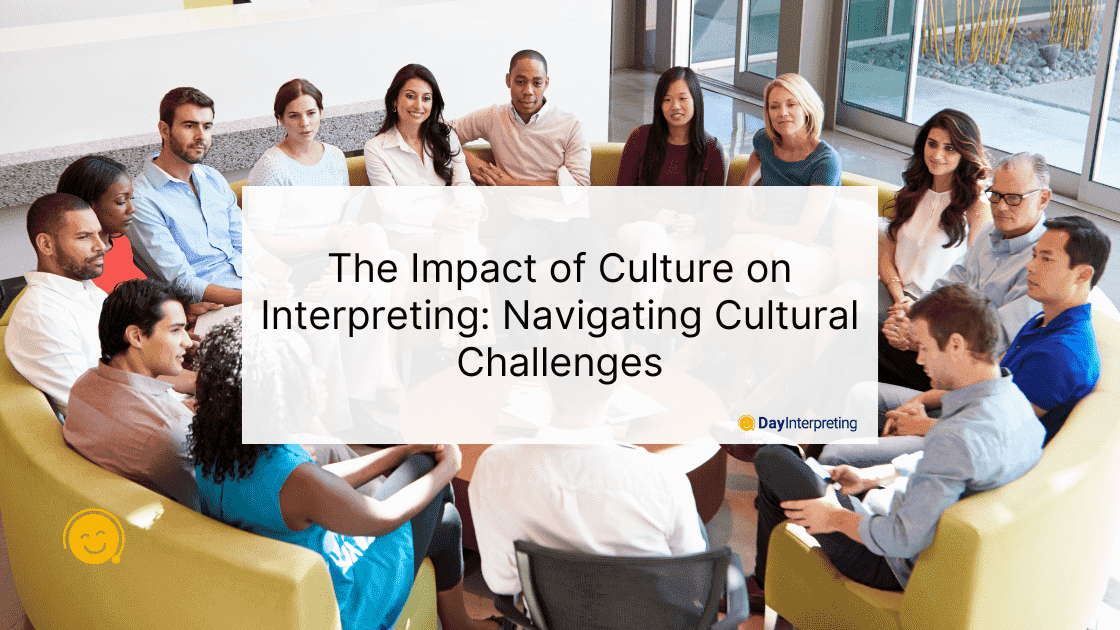
In a world characterized by global interactions and multicultural encounters, interpreting plays a vital role in bridging language gaps. However, the impact of culture on interpreting is profound and can significantly affect communication accuracy. This article delves into the multifaceted impact of culture on interpreting, highlighting potential challenges and offering practical strategies for overcoming cultural barriers in the interpreting process.
Culture and language are inseparable, making cultural awareness a fundamental aspect of interpreting:
Different cultures have varying dialects, accents, and linguistic intricacies that can affect an interpreter’s ability to convey meaning accurately.
Tip: Interpreters must adapt to regional linguistic variations while maintaining clarity and neutrality in their interpretation.
Gestures, body language, and facial expressions can differ significantly across cultures and may carry meanings that are distinct from spoken words.
Tip: Interpreters must be attuned to non-verbal cues and consider the cultural context when interpreting them.
Cultural disparities can present various challenges for interpreters:
Topics that are considered sensitive or taboo can vary greatly between cultures, and interpreters must navigate these differences with care.
Tip: Interpreters should be aware of cultural sensitivities and adapt their communication style accordingly.
Humor often relies on cultural references and wordplay, which can be challenging to translate accurately in real-time.
Tip: Interpreters should be prepared to explain or adapt humor when necessary to ensure comprehension.
Cultural norms dictate the level of formality and appropriate ways to address individuals, which may not have direct equivalents in other languages.
Tip: Interpreters must understand the cultural hierarchy and formality conventions relevant to the context.
Interpreters must possess a deep understanding of the cultures they work with. Achieving cultural competency is not a one-time effort but an ongoing process. Interpreters should invest in cultural competency training to navigate the cultural complexities of interpreting effectively. This training goes beyond language proficiency and delves into the nuances of customs, traditions, values, and societal norms of the cultures they encounter. Additionally, interpreters can collaborate with cultural experts or individuals from the same cultural background whenever possible. These partnerships provide valuable insights and ensure that the interpretation is linguistically accurate and culturally sensitive. Ultimately, cultural competency empowers interpreters to bridge cultural gaps, fostering clearer and more meaningful communication between parties from diverse backgrounds.
Successful interpreting begins long before the actual event takes place. Interpreters should engage in thorough pre-event preparation, which involves researching the cultural backgrounds of the individuals or groups involved in the communication. This research helps interpreters anticipate potential cultural sensitivities, allowing them to approach the interpreting task with greater awareness and sensitivity. Interpreters should compile a glossary of culture-specific terms and concepts that may arise during the event. Having this reference on hand ensures that they can accurately convey culturally significant words or phrases, reducing the risk of misinterpretation. By dedicating time and effort to pre-event preparation, interpreters can enter the interpreting assignment well-prepared to bridge the cultural divide effectively.
The landscape of culture and language is dynamic and ever-evolving. Interpreters must stay updated on cultural trends, language usage shifts, and cultural norms changes. Continuous education is key to remaining relevant and effective in the field of interpreting. Interpreters can benefit from workshops, seminars, and training sessions designed to enhance cultural awareness and sensitivity. These opportunities provide interpreters with the latest insights and tools to adapt to evolving cultural landscapes. Moreover, staying informed about cultural developments enables interpreters to provide more accurate and culturally sensitive interpretations, ensuring that communication remains effective and respectful, regardless of the cultural context.
The actual interpreting process demands adaptability and sensitivity to cultural cues and preferences. Interpreters should be prepared to adapt their interpretation in real-time based on the cultural context of the conversation or event. When faced with unfamiliar cultural references or nuances, interpreters should not hesitate to seek clarification from the speakers. This proactive approach ensures that the interpretation remains accurate and that cultural misunderstandings are swiftly addressed. Moreover, interpreters should pay close attention to non-verbal cues, such as gestures, body language, and facial expressions, which can carry significant cultural meaning. By being attuned to these cues and responding accordingly, interpreters enhance communication quality and minimize cultural differences’ impact on the interpreting process.
Interpreting is a complex task that requires not only linguistic skills but also cultural competence. Understanding the impact of culture on interpreting is essential for ensuring effective communication in multicultural settings. By recognizing and addressing the challenges of cultural differences and employing the strategies outlined in this article, interpreters can bridge language and cultural gaps, fostering successful and meaningful communication across diverse contexts.

Seldean is a multi-skilled content wizard that dedicates herself to writing content that goes beyond merely sparking interest in the audience.

Written by
Seldean SmithSeldean is a multi-skilled content wizard that dedicates herself to writing content that goes beyond merely sparking interest in the audience.
Get the latest articles on interpreting and language access delivered straight to your inbox.


