Welcome to the Interpreting Renaissance, where the ancient art of interpretation is making a grand comeback! Imagine a time machine that transports us to the past, allowing us to unravel the secrets of classical interpretation techniques. Hold onto your hats because we’re about to embark on a thrilling journey through the fascinating world of interpretation. […]
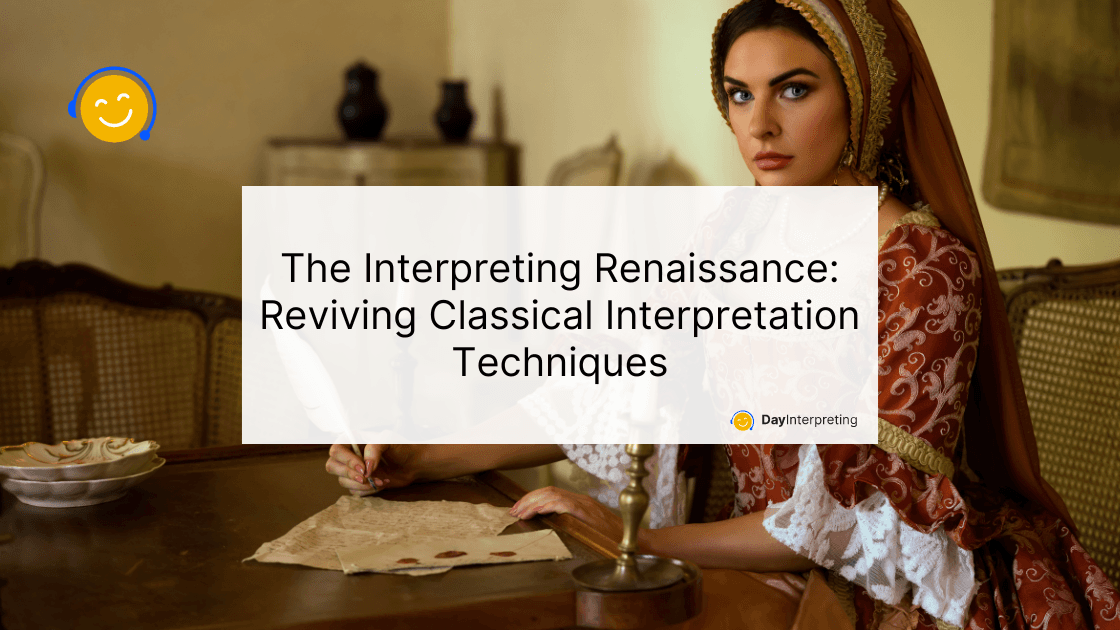
Welcome to the Interpreting Renaissance, where the ancient art of interpretation is making a grand comeback! Imagine a time machine that transports us to the past, allowing us to unravel the secrets of classical interpretation techniques. Hold onto your hats because we’re about to embark on a thrilling journey through the fascinating world of interpretation.
Interpretation, in its essence, is the art of deciphering and understanding the meaning behind words, symbols, and messages. From ancient scrolls to modern texts, interpreters have played a crucial role in bridging the gaps of language and culture. But what’s this Interpreting Renaissance all about?
Picture this – a dusty library filled with ancient manuscripts waiting to be explored. The Interpreting Renaissance is all about dusting off these classical interpretation techniques and breathing new life into them. We’re talking about the methods used by language maestros of centuries past, a treasure trove waiting to be rediscovered.
In the world of classical interpretation, reading between the lines isn’t just a phrase; it’s an art. Ancient scholars mastered the skill of extracting hidden meanings and nuances from texts. We’ll delve into their techniques to decode messages that might otherwise be overlooked.
One of the keys to successful interpretation lies in understanding the cultural context. The Interpreting Renaissance takes us on a cultural exploration, unraveling the significance of historical events, societal norms, and traditions. Get ready to see the past come to life!
Language is a dynamic entity, and classical interpreters were language virtuosos. Our journey will uncover the linguistic tools they employed to bridge language barriers, making communication effective and accurate.
It’s not just about words! Classical interpreters were keen observers of body language, facial expressions, and gestures. Join us as we learn how these interpreters decoded non-verbal cues to enhance their understanding of messages.
Now that we’ve dusted off the classics, how do these techniques apply to our modern world? The Interpreting Renaissance isn’t just a nostalgic trip; it’s a bridge between the past and present.
Understanding diverse cultures is more critical than ever in our interconnected global village. The classical interpretation techniques we unveil are powerful tools for fostering understanding and appreciation across cultures.
Whether it’s deciphering legal documents or exploring literature, the classical approach equips us with the skills to navigate the complexities of modern texts. We’ll uncover how these timeless techniques can make us better interpreters in today’s information-rich world.
The Interpreting Renaissance invites us to explore the past, unlocking the wisdom of classical interpretation techniques. As we journey through the annals of history, we revive ancient methods and find practical applications for our modern lives. So, join the Interpreting Renaissance – where the old becomes new, and the past becomes a guide for a more insightful future!

Seldean is a multi-skilled content wizard that dedicates herself to writing content that goes beyond merely sparking interest in the audience.

Written by
Seldean SmithSeldean is a multi-skilled content wizard that dedicates herself to writing content that goes beyond merely sparking interest in the audience.
Get the latest articles on interpreting and language access delivered straight to your inbox.


