Today, more than ever, communication knows no boundaries. It is the glue that connects us, enabling individuals from diverse linguistic backgrounds to share ideas and information. Interpreting services are the linchpin in facilitating this exchange, but beyond linguistic proficiency, interpreters must possess a deeper understanding of cultural nuances. In this article, we explore the paramount […]
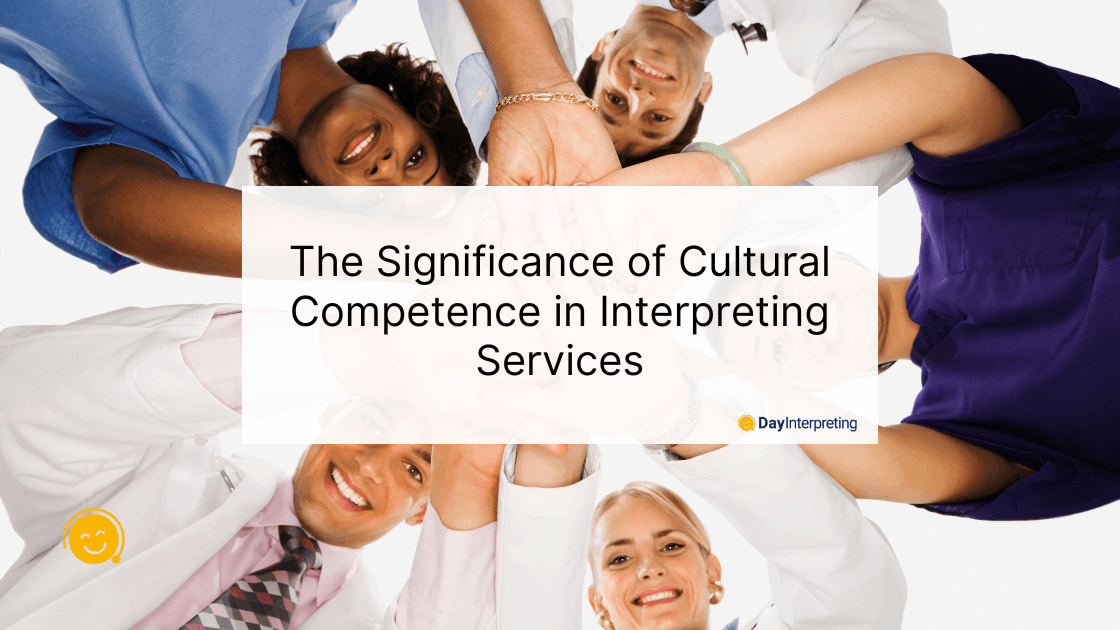
Today, more than ever, communication knows no boundaries. It is the glue that connects us, enabling individuals from diverse linguistic backgrounds to share ideas and information. Interpreting services are the linchpin in facilitating this exchange, but beyond linguistic proficiency, interpreters must possess a deeper understanding of cultural nuances. In this article, we explore the paramount importance of cultural competence in interpreting and how it contributes to effective cross-cultural communication.
Interpreting is an intricate craft that goes beyond mere translation. It involves the art of conveying not just words, but the cultural context, tone, and intent behind those words. Cultural competence is the cornerstone that ensures the message is accurately transmitted and received.
Language is intrinsically tied to culture, making cultural competence essential. Interpreters with cultural awareness can accurately convey idiomatic expressions, metaphors, and cultural references that may lack direct equivalents in the target language.
Trust is the foundation of effective communication. Interpreters who exhibit cultural competence earn the trust of both the speaker and the listener. This trust is crucial for ensuring that information is conveyed faithfully.
Cultural nuances play a significant role in building rapport between individuals from different backgrounds. Interpreters who understand these nuances facilitate smoother interactions, reducing the likelihood of misunderstandings.
Interpreters lacking cultural competence may inadvertently create miscommunications or offense. Here are common pitfalls that cultural competence helps avoid:
Without cultural awareness, interpreters may use words or phrases that are considered rude or offensive in the target culture.
Recognizing cultural norms, etiquette, and taboos is vital to ensuring respectful communication that respects cultural differences. The cultural aspects of language are far too great to be ignored, and misinterpretation can create complex communication barriers.
To convey the intended message accurately, interpreters must comprehend the broader social and cultural context of a conversation. Failure to do so can lead to confusion or misinterpretation.
Interpreting services have a profound impact on various domains, such as business, healthcare, legal matters, and more. Cultural competence, in particular, emerges as a vital skill in breaking down linguistic and cultural barriers.
The ability to interpret not only words but also cultural cues and subtleties enables interpreters to facilitate cross-cultural interactions effectively. It fosters mutual understanding, promotes respect for diverse perspectives, and ultimately contributes to stronger global connections.
In a world where borders are increasingly blurred, the importance of effective communication cannot be overstated. Interpreting services are the bridge that enables individuals to transcend linguistic differences and engage meaningfully with one another. However, at the heart of this bridge lies cultural competence, a skill that ensures messages are not just translated but genuinely understood.
Cultural competence in interpreting is not an option; it’s a necessity. It’s the key to unlocking doors to successful communication, and it empowers interpreters to serve as cultural mediators who bridge gaps and foster connections. In an interconnected world, cultural competence is the compass that guides us toward meaningful and respectful cross-cultural interactions.
As you explore the world of interpreting, remember that true understanding goes beyond words. It encompasses cultural awareness, sensitivity, and an unwavering commitment to facilitating communication that respects and honors the richness of diverse cultures.

Seldean is a multi-skilled content wizard that dedicates herself to writing content that goes beyond merely sparking interest in the audience.

Written by
Seldean SmithSeldean is a multi-skilled content wizard that dedicates herself to writing content that goes beyond merely sparking interest in the audience.
Get the latest articles on interpreting and language access delivered straight to your inbox.


