In the ever-evolving landscape of education, Virtual Reality (VR) has emerged as a game-changer, especially in the realm of language learning. Imagine stepping into a virtual world where you can not only hear and read a language but also interact with native speakers and explore cultural nuances firsthand. This is the promise of VR-based language […]
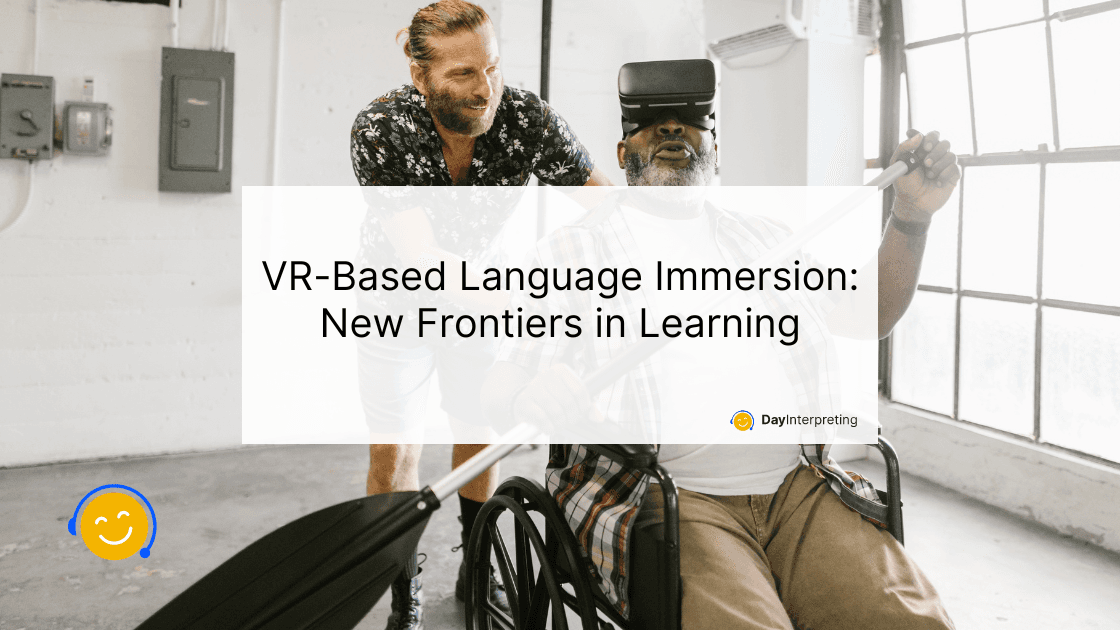
In the ever-evolving landscape of education, Virtual Reality (VR) has emerged as a game-changer, especially in the realm of language learning. Imagine stepping into a virtual world where you can not only hear and read a language but also interact with native speakers and explore cultural nuances firsthand. This is the promise of VR-based language immersion, a technology that is revolutionizing how we learn languages.
Virtual Reality language immersion combines cutting-edge VR technology with language learning programs to create immersive environments where learners can practice speaking, listening, and interacting in a foreign language. Instead of traditional classroom methods, VR transports learners to realistic scenarios like ordering food in a café in Paris or negotiating a business deal in Tokyo.
VR-based language immersion works through specialized software and VR headsets. Learners wear the headset, which immerses them in a 3D environment where they can see and interact with objects, people, and settings relevant to the language they’re learning. Advanced speech recognition software allows learners to speak in the target language, receiving real-time feedback and corrections.
Many language schools and institutions have integrated VR into their curriculum, reporting significant improvements in student engagement and proficiency levels.
Companies use VR language immersion for employee training, especially for international business communication skills, leading to more effective global collaboration.
VR language apps are gaining popularity among individual learners who seek immersive and interactive ways to learn languages on their own schedule.
One of the key factors driving the success of Virtual Reality language immersion is the rapid advancements in VR technology. VR headsets are becoming more affordable and accessible, making them viable tools for a wider range of learners. Additionally, improvements in graphics, audio, and haptic feedback create increasingly realistic and immersive environments, enhancing the overall learning experience.
Gamification, the integration of game elements into non-game contexts, is a powerful strategy used in VR language immersion. By gamifying language learning, VR platforms leverage rewards, challenges, and interactive scenarios to keep learners motivated and engaged. For example, learners may earn points or unlock levels as they successfully navigate language challenges within the virtual environment.
As VR technology evolves, efforts are being made to improve accessibility and inclusivity in VR language learning. This includes designing interfaces and experiences that accommodate diverse learning styles, abilities, and preferences. Features such as customizable settings, language options, and inclusive content contribute to a more inclusive learning environment.
Another advantage of VR language immersion is the ability to collect data-driven insights and analytics. VR platforms can track learners’ interactions, performance metrics, and learning patterns, providing valuable feedback to educators and learners alike. This data-driven approach enables personalized learning pathways and continuous improvement in language proficiency.
In conclusion, Virtual Reality language immersion represents a revolutionary shift in how we approach language learning. By harnessing the power of immersive technology, gamification, social interaction, and data-driven insights, VR is transforming learning experiences and empowering learners worldwide. As we continue to embrace these innovations and explore new frontiers, the potential for VR to reshape education and cross-cultural communication is truly limitless.

Seldean is a multi-skilled content wizard that dedicates herself to writing content that goes beyond merely sparking interest in the audience.

Written by
Seldean SmithSeldean is a multi-skilled content wizard that dedicates herself to writing content that goes beyond merely sparking interest in the audience.
Get the latest articles on interpreting and language access delivered straight to your inbox.


